
How Do you know it’s time to say goodbye to your pet?
A Guide that Goes Beyond the Checklist
One of the hardest parts of loving an animal is realizing that, someday, their life may become your decision.
Most of us hope that moment will arrive with unmistakable clarity. We imagine there will be a day when our beloved companion "lets us know," or when the answer becomes so obvious that there is no room left for doubt.
Unfortunately, this is rarely the reality.
More often, the decision comes together slowly, as a favorite routine disappears, or you notice they sleep a little longer, or they greet you a little less enthusiastically. You find yourself wondering whether today was a bad day, or if this is just what life looks like now. Then comes the second-guessing, the bargaining, and the hope that tomorrow will somehow feel different.
If you've found yourself searching online for signs that it's time to say goodbye, there is a good chance you aren't looking for permission to love your pet less. You're looking for reassurance that your love hasn't blinded you, or that it hasn't caused you to give up too soon. You may be carrying the impossible weight of wondering whether you're considering euthanasia too early, too late, or for the wrong reasons entirely.
If that's where you are, I hope you'll know you're in very good company.
I've sat with this question more times than I ever wished I would. Saying goodbye to my soul dog, Ziggy, remains one of the hardest decisions I've ever made, and over the years I've also walked through the loss of many other beloved companion animals at the sanctuary I share with my partner. I know what it feels like to search for certainty that never arrives, and to wonder long afterward whether you somehow could have loved them better.
I know how impossible it can feel to hold love and responsibility in the same hands.
I have yet to meet someone who made this decision lightly. Guilt is incredibly common, even when every choice is made with profound love and care. We question ourselves because the stakes feel enormous. We replay conversations with veterinarians, search for one more article, ask friends what they would do, and look for certainty where it rarely exists.
Quality-of-life scales and checklists can be incredibly valuable tools (and we'll talk about them in a moment). They can help us notice patterns, organize our observations, and bring objectivity into an emotional situation. But they also have limitations, and many families walk away from them still feeling lost.
My hope here is to help bridge that gap, because the hardest part of making this decision does not fit neatly on a checklist.
This isn't a guide that will tell you exactly what to do. I truly don't believe anyone can answer that question for you, but I write this with the hope is that it will help you ask gentler, more meaningful questions as you make one of the hardest decisions you'll ever face.
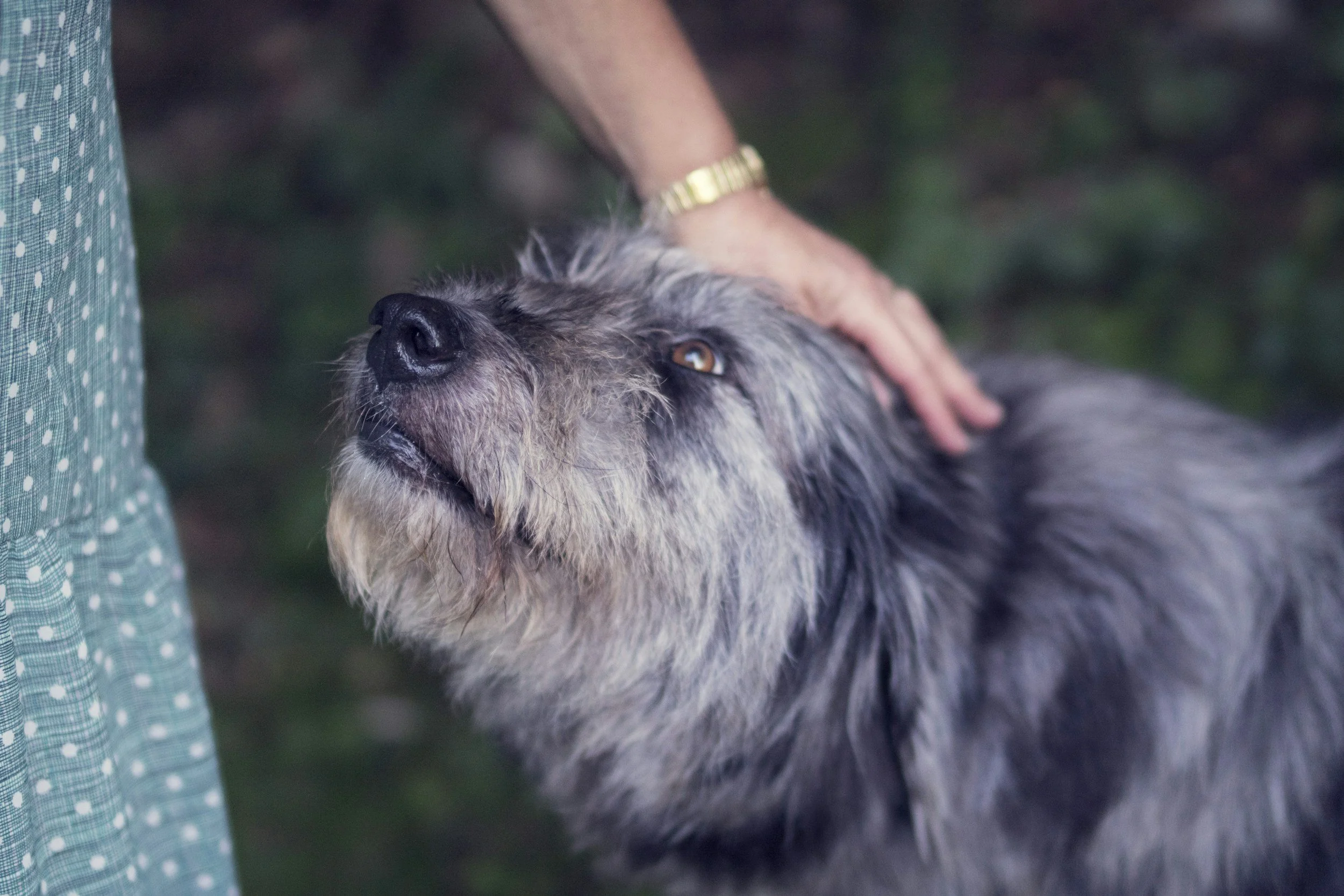
Why Checklists Don’t Always Feel Helpful
If you've been searching for guidance, you've probably come across at least one quality-of-life scale…
They usually ask you to rate things like appetite, hydration, mobility, pain, hygiene, and interest in daily activities. Many veterinarians use these tools because they provide a structured, more clinical way to look at changes that can otherwise happen so gradually we barely notice them.
And I do think they're genuinely helpful.
I also think they can leave people feeling unsatisfied and still unsure.
And I believe this is because they're objective tools trying to measure an intensely subjective relationship, not because they’re innacurate.
Imagine a dog who still eats every meal placed in front of him. On paper, that seems encouraging. But perhaps eating is the only thing he still enjoys. He struggles to stand, and no longer follows you from room to room. He doesn't bring you his favorite toy. He doesn't wait at the window for the mail carrier or wander into the yard just to sniff the breeze. His appetite remains, but the parts of life that once made him unmistakably him have started to fall away.
The checklist tells one story while your relationship tells another, and neither should be ignored.
The purpose of a quality-of-life assessment isn't to replace your understanding of your companion. It's to complement it. The numbers can help you recognize physical changes, while your years of living alongside this animal help you recognize the personal and emotional ones.
After all, we don't fall in love with our animals because they eat, drink, and use the bathroom.
We fall in love with the way they greet us at the door, the games they invent, the habits that make us laugh, the comfort they bring after difficult days, and the countless little rituals that become part of what makes them one-of-a-kind.
When I hear, "They're just not themselves anymore," it’s rarely about a single symptom. It’s about the gradual loss of the relationship as they've always known it.
And while it is true and frustrating that no checklist can measure that, I believe it deserves just as much attention as any clinical sign.

Start with their normal,
Not someone else’s
One of the challenges of searching for guidance online is that almost every article talks about "dogs," "cats," or "pets" in general.
But your companion isn’t a generic dog or cat…
Your pet is different.
They're your dog. Your cat. Your horse. They've spent years becoming themselves, and you've spent those same years learning exactly who they are.
And that relationship is one of your greatest sources of information.
Rather than comparing your companion to a healthy animal you've never met, try comparing them to the animal they've always been.
What has always brought them joy?
What routines have they fiercely protected?
What parts of the day did they look forward to?
What made them unmistakably themselves?
Perhaps your Border Collie lived for watching squirrels through the front window. Maybe your Labrador carried a tennis ball everywhere they went, even as they got older and slower. Your cat may have met you at the door every evening without fail, while your parrot had a phrase it liked to repeat every night before bed.
Those things may sound ordinary, but they're all woven into the fabric of a life. And when they begin to disappear, it's worth paying attention.
I'm not saying every change means it's time to say goodbye, but those changes can tell us something about how our companion is experiencing the world.
Our animals don't experience life as a collection of medical measurements. They experience it through the routines they anticipate, the people they seek out, the games they invent, the places they love to nap, the smells they stop to investigate on a walk.
When those moments become fewer and farther between, we're beginning to gather information that no quality-of-life scale can fully capture.
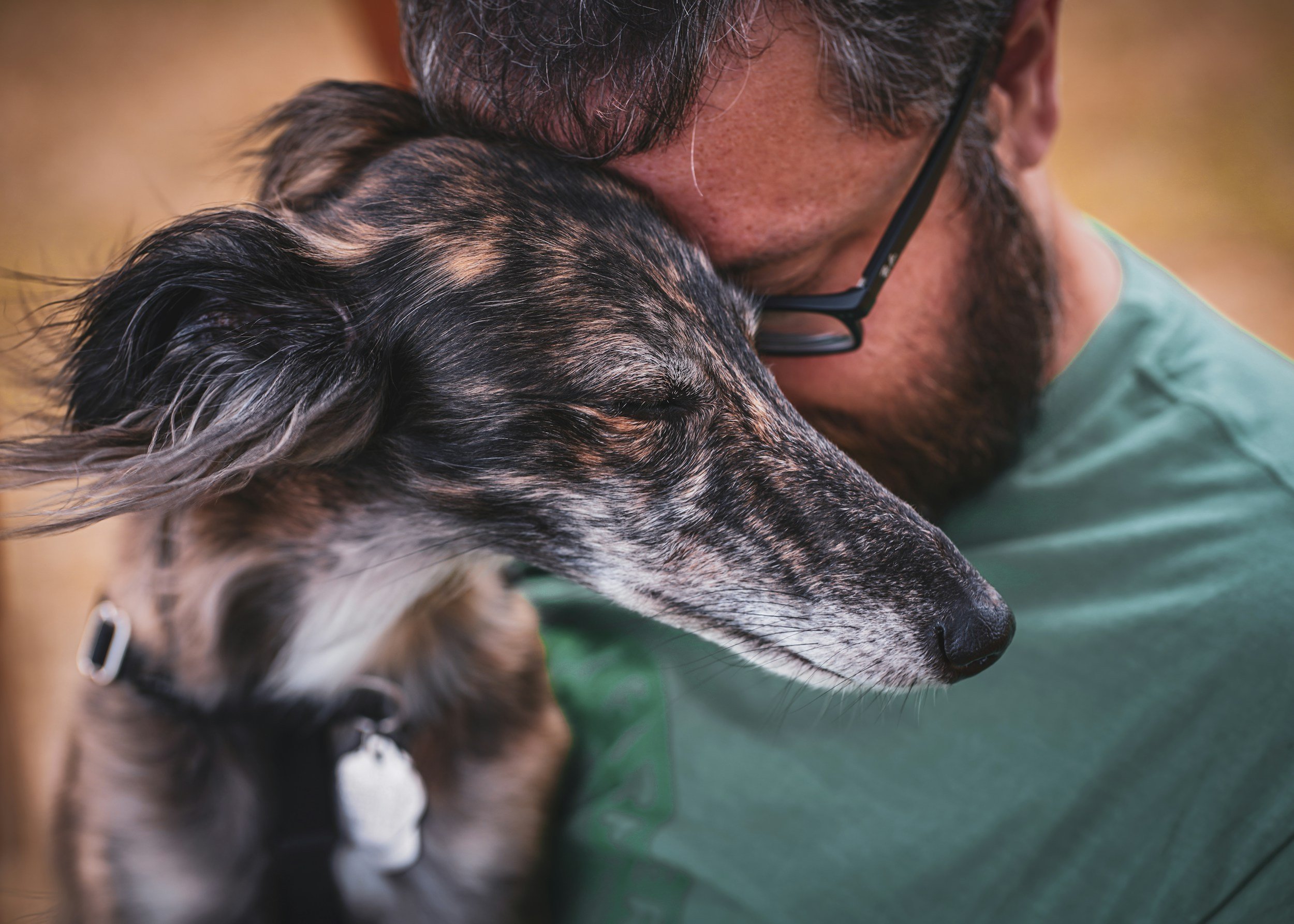
Looking at Quality of Life Without Losing Sight of the Animal
None of this means that the physical aspects of quality of life become less important. In fact, they're essential. Pain, mobility, appetite, breathing, hydration, hygiene, and the ability to comfortably use the bathroom all deserve careful attention, and your veterinarian is your most important partner in understanding what those changes mean medically.
The challenge is that these things rarely exist in isolation.
A dog who has stopped eating because he's nauseated tells us something different than a dog who still eats eagerly but can't stand afterward without assistance.
Rather than asking whether a single symptom is present, I encourage families to look for patterns.
Is your companion still finding moments of enjoyment throughout the day?
Do they recover from difficult days, or do the difficult days seem to linger longer each week?
When they have a good day, does it feel like a return to themselves, or simply a brief pause in an overall decline?
Sometimes people describe their pet as having "more bad days than good." While that can be a helpful observation, I think there's another question that's just as important.
When they do have a good day, what does "good" actually look like now? Has the definition changed?
If a good day once meant hiking for miles and chasing balls, a good day now may mean comfortably eating breakfast, walking into the yard on their own, enjoying a few minutes in the sunshine, and settling peacefully beside you for the afternoon.
Those are still both good days. Aging and illness naturally change what our companions are capable of.
The question isn't whether those activities look the same as they did before, instead, it's whether your companion still seems able to participate in a life that feels meaningful to them. Are they still able to experience the parts of life that have always made them who they are?
When we begin asking that question alongside the medical realities, we often find ourselves seeing a fuller picture that honors both the body and the individual living within it.
The Weight of Being Their Steward
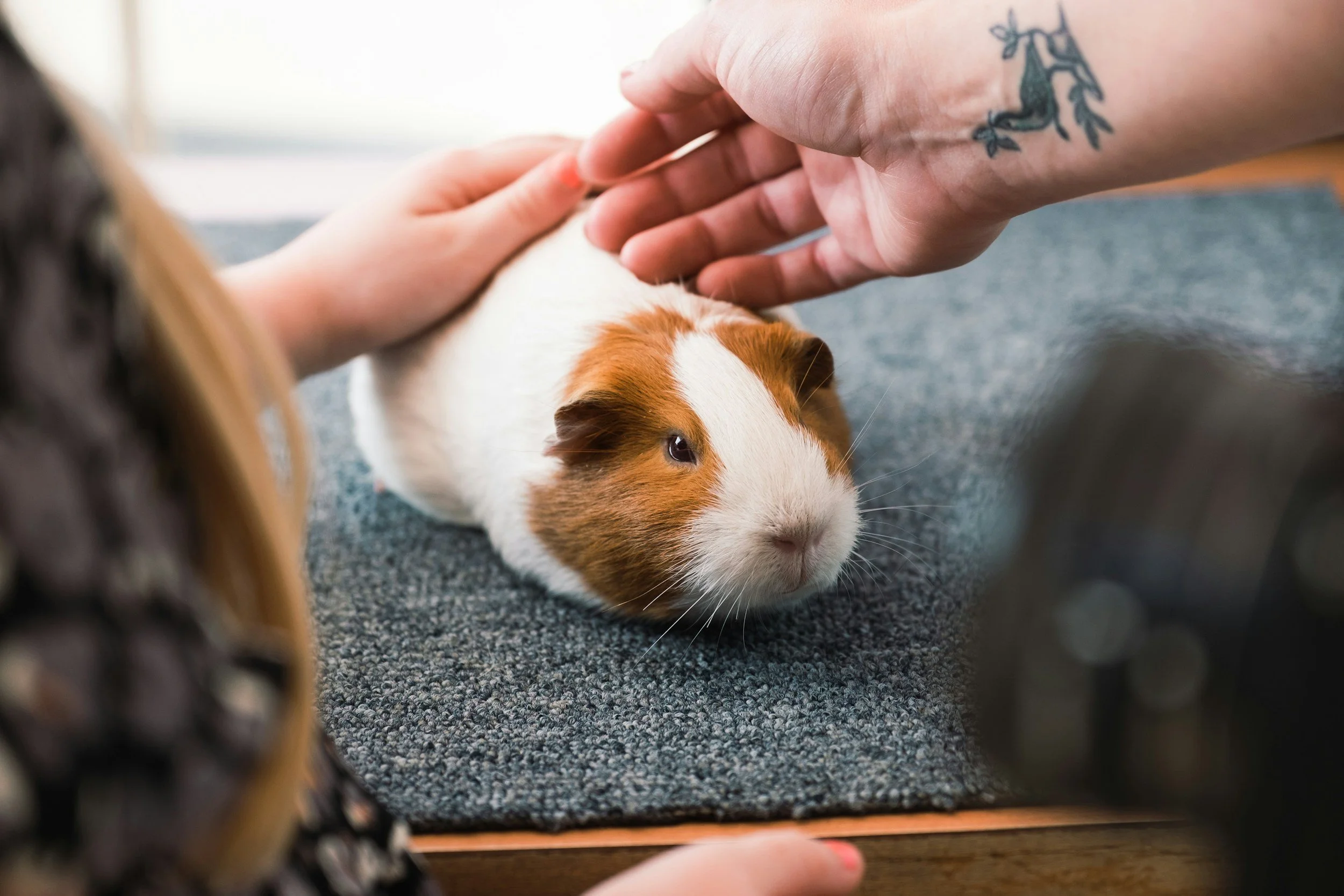
The Weight of Being Their Steward
Loving an animal comes with a responsibility that is both extraordinary and, at times, heartbreaking.
Our pets don't understand diagnoses, prognoses, or treatment plans. They don't spend sleepless nights wondering what next month will bring or weighing today's discomfort against tomorrow's possibilities.
They only live here, in this moment.
They trust us to decide when it's time for breakfast, when it's time to go outside, where they'll sleep, and who is safe to love. For most of us, that trust eventually reaches a final choice.
We've spent years proving that we'll protect them, and suddenly protecting them asks something of us that we never wanted to give.
It's normal to worry that choosing euthanasia means you're ending your companion's life, and I understand that fear. But when treatment can no longer restore comfort, and when suffering has begun to outweigh the simple joys that once defined their days, our role changes.
We are no longer trying to save them from death. We're trying to save them from suffering.
That doesn't erase the grief, and it doesn't erase the guilt. In fact, that same guilt and grief arrive precisely because we love them so deeply. We replay every decision, wondering whether there was another medication to try, another week to wait, another sign we somehow missed.
But it's important to keep in mind that while our companions have trusted us with their lives, they have never expected us to be perfect, only to care for them as faithfully as we know how.

There is Rarely a Perfect Time
If you're waiting for the moment when every doubt disappears, and the answer feels completely certain, you may be waiting for something that rarely comes.
It's a common phrase among veterinarians that they'd rather help one family a little early than a little too late. And that’s not because they believe every difficult day means euthanasia is the right choice, but because they have also seen what happens when families, out of love, keep hoping for one more good week while their companion's suffering grows.
At the same time, hindsight has a way of making every decision feel obvious. Looking back, it's easy to wonder whether there was another day to share, another treatment to try, or another memory to make. Those thoughts are a natural part of grief, not proof that you made the wrong decision.
There is no “perfect” time to say goodbye.
There is only the moment when, after listening to your veterinarian, paying close attention to your companion, and reflecting with honesty and love, you believe your responsibility to protect them has become greater than your desire to hold on.
It may not be absolute certainty, but it is love.
How an End-of-Life Doula Can Help
Weighing the decision to say goodbye to your pet can feel incredibly isolating and lonely. Even with the support of a compassionate and wonderful veterinarian, appointments are often focused on your pet's medical care, and there may not be enough time or space to work through all of the emotional, practical, and deeply personal questions that arise along the way.
That is one of the roles an end-of-life doula can fill.
As a companion animal end-of-life doula, I don't diagnose illness or tell families whether euthanasia is medically appropriate. Those conversations still belong with your veterinarian.
What I can do is help slow the process down enough that you have space to breathe. Together, we can talk through your observations, explore what matters most to you and your companion, prepare for what to expect, and think intentionally about how you want to spend the time you have left together.
If euthanasia becomes the kindest path forward, I can also help you create a special and personalized goodbye. That may look like planning a meaningful ritual, or providing support during an incredibly difficult day.
And after your companion has died, I'm still available. Because grief doesn't end when the appointment does.
Frequently Asked Questions
Will my pet let me know when it's time?
Some families feel their companion clearly "told" them in one way or another. Others never experience a single defining moment.
Both experiences are normal.
Rather than waiting for one unmistakable sign, it can be more helpful to pay attention to the overall pattern. Is your companion still finding comfort, connection, and enjoyment in daily life? Are they recovering from difficult days, or are those days becoming their new normal?
Is it true that it’s better to euthanize a week early than a day too late?
There is no universal timeline, and every situation is different. Framing either decision as “right” or “wrong” is an unknowable conundrum, as we only have access to the here and now, and the choices we make in the present.
What is more important is to make the decision carefully, in cooperation with your veterinarian, taking both your pet's medical condition and their general quality of life into account. The aim should be to prevent unnecessary suffering while at the same time honoring the life you have shared.
What if my family disagrees?
It's very common for family members to have different views on the same situation. One person may focus on the joyful moments that are still present, while another notices the steady decline.
A good starting point would be to recognize that everyone grieves in their own way. By returning to the conversations you've had about your companion's daily activities, seeking the advice of your veterinarian, and considering what your pet might be communicating through their behavior, you can redirect the focus from guilt to shared love.
How do I know I'm not giving up?
This may be the question people ask themselves most often.
Choosing a peaceful death when suffering can no longer be meaningfully relieved isn't giving up. It's recognizing that love sometimes asks something different of us than we hoped.
The desire to protect your companion from pain isn't separate from your love for them.
Should children be involved?
Every child is different, and there is no one right approach.
Many children benefit from honest, age-appropriate conversations that allow them to ask questions, say goodbye in their own way, and participate if they want to. Others may prefer more distance.
What's most important is helping children understand that their companion was loved, cared for, and treated with kindness throughout the process.
There is courage in choosing love over certainty
You will probably never feel completely ready. You may always wonder whether there was one more good day left, one more sunrise to watch together, one more evening curled up on the couch.
Those questions are normal, and they don't mean you made the wrong choice, only that you loved your pet deeply.
When decisions are made with careful observation, honest reflection, trusted veterinary guidance, and profound love, they are the right ones. They are made by people carrying an enormous responsibility on behalf of a companion who has trusted them completely.
Giving the animal who has shared your life, your home, and your heart the gentlest ending you know how to offer is one of the greatest final acts of love we can offer them.
If you're facing that decision now, I hope you'll remember that you don't have to carry it alone.
Whether you need someone to help you think through your options, prepare for goodbye, or sit with you in the uncertainty, please contact me for support.
